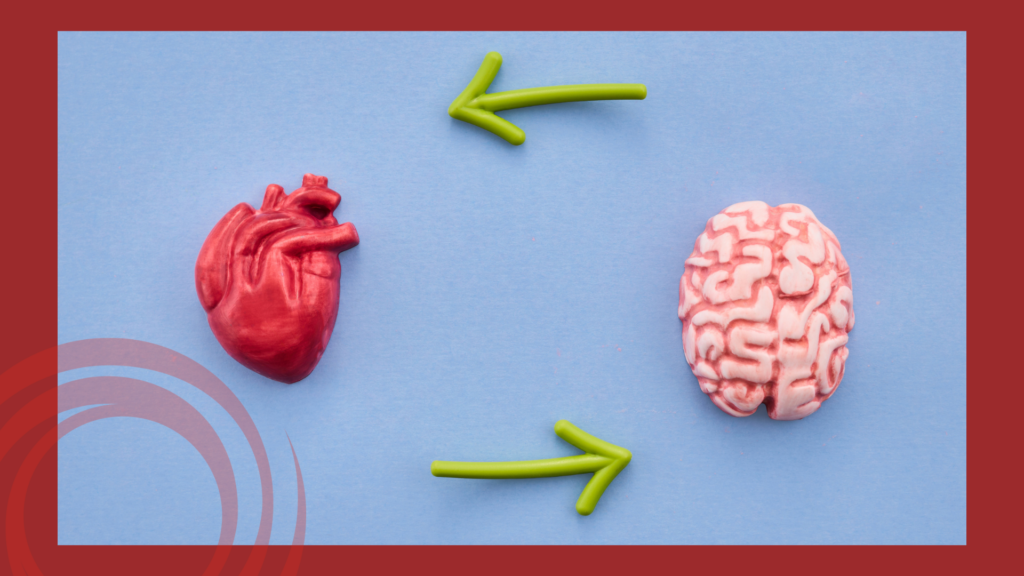
Recently, I read an interview in Cath Lab Digest featuring Camilo R. Gomez, MD, MBA, a true pioneer in interventional neurology and one of the early champions of bringing cardiology and neurointervention closer together. As I worked through the article, I found myself nodding in agreement over and over again. His central premise is one that we at Corazon have advocated for years: the heart and brain are inextricably linked, and the clinical, operational, and strategic lessons from one specialty can and should inform the other.
Having spent portions of my career leading neuroscience programs and later cardiovascular service lines, I’ve often found myself in conversations where people are quick to point out all the differences between these specialties. Certainly, the diseases, anatomy, and physician training paths differ. But when you look beyond those distinctions, the similarities are striking.
Both specialties are built around time-sensitive emergencies where rapid intervention can dramatically alter outcomes. Dr. Gomez famously adapted the concept of “time is muscle” from cardiology into what became the now universally recognized phrase “time is brain.” In both stroke and myocardial infarction care, every minute matters, multidisciplinary coordination is essential, and organized systems of care are often the difference between disability and recovery, or even life and death.
At Corazon, we’ve long advocated for viewing cardiovascular and neuroscience services through a shared strategic lens. Whether developing a STEMI program or a thrombectomy-capable stroke center, the foundational elements are remarkably similar: physician alignment, emergency department integration, transport protocols, quality improvement processes, data management, community education, and highly specialized procedural teams.
Dr. Gomez makes another compelling point that resonates deeply with our experience. He describes how neurointervention followed many of the pathways first established by interventional cardiology, from the use of catheter-based therapies to the adoption of radial access techniques, physiologic assessment tools, and increasingly sophisticated endovascular technologies. He even notes that neurointerventionalists continue to use coronary equipment in certain neurovascular procedures because of its effectiveness. Rather than operating in silos, these specialties have historically advanced through shared innovation and cross-pollination of ideas.
Perhaps the most interesting part of the interview was Dr. Gomez’s discussion of multidisciplinary interventional centers. During his time at Loyola, he helped create a model where interventional cardiology, interventional neurology, endovascular neurosurgery, vascular surgery, and other procedural specialists worked within a common environment, sharing resources, equipment, inventory, and expertise. He describes this approach as creating both operational efficiencies and stronger collaboration among specialties.
This is something we have seen firsthand.
As healthcare organizations face increasing financial pressures while pursuing growth in advanced cardiovascular and neurosciences services, the multispecialty interventional lab model has emerged as a highly effective strategy. Rather than maintaining separate infrastructures, organizations can leverage shared procedural space, staff competencies, equipment, and leadership structures to improve utilization and maximize return on investment.
But the benefits extend beyond efficiency.
When cardiologists, neurointerventionalists, vascular specialists, and surgeons work more closely together, innovation accelerates. Teams learn from each other’s approaches to patient selection, procedural techniques, quality monitoring, and program development. Silos begin to disappear, and a more comprehensive vascular service line emerges. Ultimately, patients benefit from a coordinated approach to conditions that often affect both the heart and the brain.
In many ways, the future of healthcare will belong to organizations that move beyond traditional departmental boundaries. Stroke, atrial fibrillation, carotid disease, peripheral vascular disease, structural heart disease, and other complex conditions rarely fit neatly into a single specialty. The most successful programs will be those that recognize these connections and build care models accordingly.
Dr. Gomez closes his interview by suggesting that cardiology has much to teach neurointervention and that the two fields should be brought closer together. I couldn’t agree more.
At Corazon, we’ve been making that case for years.
The heart-brain connection is not simply a clinical reality. It is a strategic opportunity. By fostering collaboration across cardiovascular and neuroscience programs, hospitals can strengthen operations, improve outcomes, enhance physician engagement, and create a more sustainable path forward for advanced vascular care.
The fields may not be identical, but as Dr. Gomez so eloquently argues, they are far more similar than they are different. And when we embrace those similarities, everyone wins. Most importantly, our patients.
Read the full article here: Bringing Cardiology and Neurointervention Closer Together: A Conversation With Camilo R. Gomez, MD, MBA
By Michelle Luffey
 company

 (412) 364-8200