 company




The Silent Storm: How Strokes Shaped My Life and Perspective
I was nineteen when I had my first experience with strokes. My dad, just 46 years old, collapsed in a K-Mart while shopping for motor oil. He left the store…
 (412) 364-8200 | Monday - Friday, 8am to 5pm ET









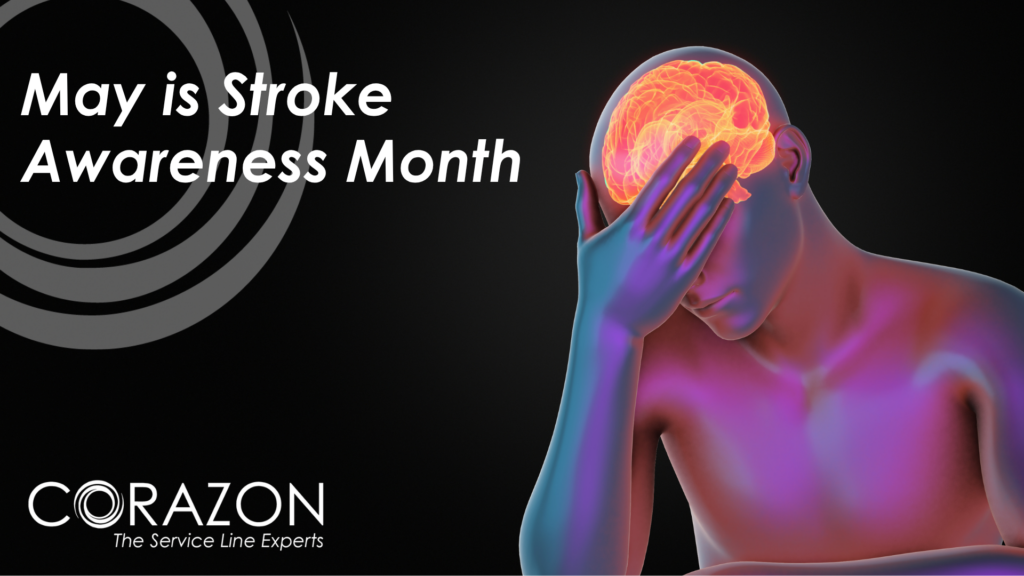
May is Stroke Awareness Month, an ideal time for hospitals to reassess whether their current stroke services are keeping pace with clinical advances, patient expectations, and regional needs.
Over the past decade, Primary Stroke Centers (PSCs) have played a vital role in improving rapid diagnosis and treatment. However, as stroke care has evolved with mechanical thrombectomy, advanced neurocritical care, and AI-enabled diagnostics becoming standard, many organizations are asking a pivotal question: Is it time to transition from a Primary Stroke Center to a Comprehensive Stroke Center (CSC)?
Beyond Certification: A Strategic Inflection Point
Becoming a CSC is not simply about achieving a higher designation, it’s a transformational shift in infrastructure, staffing, and regional leadership. Comprehensive Stroke Centers must be equipped to manage the most complex stroke cases 24/7, including large vessel occlusions, intracerebral hemorrhage, and patients requiring neurointerventional or neurosurgical care.
This often includes:
For organizations considering this leap, early strategic program planning and readiness assessments can help clarify what’s required and what’s realistic based on current resources and market demand.
Clinical Impact Meets Financial Reality
While the clinical benefits are clear, the decision to move toward comprehensive stroke care must be grounded in careful market and financial analysis. CSCs often see:
That said, success requires thoughtful planning. Capital investment, specialized staffing, and ongoing operational costs must be aligned with realistic volume projections and long-term sustainability. Objective market analysis and neuroscience-specific financial modeling are essential to supporting an informed go/no-go decision.
Stroke Month Is the Right Time to Ask the Question
Stroke Month is about awareness but for hospital leaders, it’s also about preparedness. Whether your organization is exploring CSC designation, strengthening advanced stroke capabilities, or optimizing an existing program, the key is understanding what your market can support and how to align strategy, quality, and financial performance.
At Corazon, we partner with hospitals and health systems across the country to support stroke programs through:
The future of stroke care is comprehensive. Stroke Month is the right moment to evaluate whether your organization is positioned to lead and how the right partner can help you get there.
I was nineteen when I had my first experience with strokes. My dad, just 46 years old, collapsed in a K-Mart while shopping for motor oil. He left the store…
April marked a pivotal moment in the future of neuroscience and stroke care as Sevaro hosted its first annual Neuro Revolution & Excellence (NRVE) Conference in Charlotte, NC. This event…

In the complex world of healthcare, coding is much more than a mundane administrative task. It’s an art form that, when mastered, can unlock significant revenue potential, streamline operations, and…